Packers and movers are reliable with your belongings when they pack properly, send a vehicle that fits the load and handle it with care. Damage on a move is rarely bad luck. It comes from five causes that repeat: poor packing, overloading, loose loading, rain and rough handling on stairs.
Each cause has a known fix, and a good crew applies all of them as a matter of routine. Knowing them also gives you a way to judge any mover before you book, because you can ask how it deals with each one.
Poor packing is where breakage starts
Damage usually traces back to the carton: plates stacked flat with nothing between them, a television wrapped in a bedsheet, a glass tabletop sent with bare edges. A truck shakes and brakes for hours, and an item survives the road only when its packing absorbs those shocks.
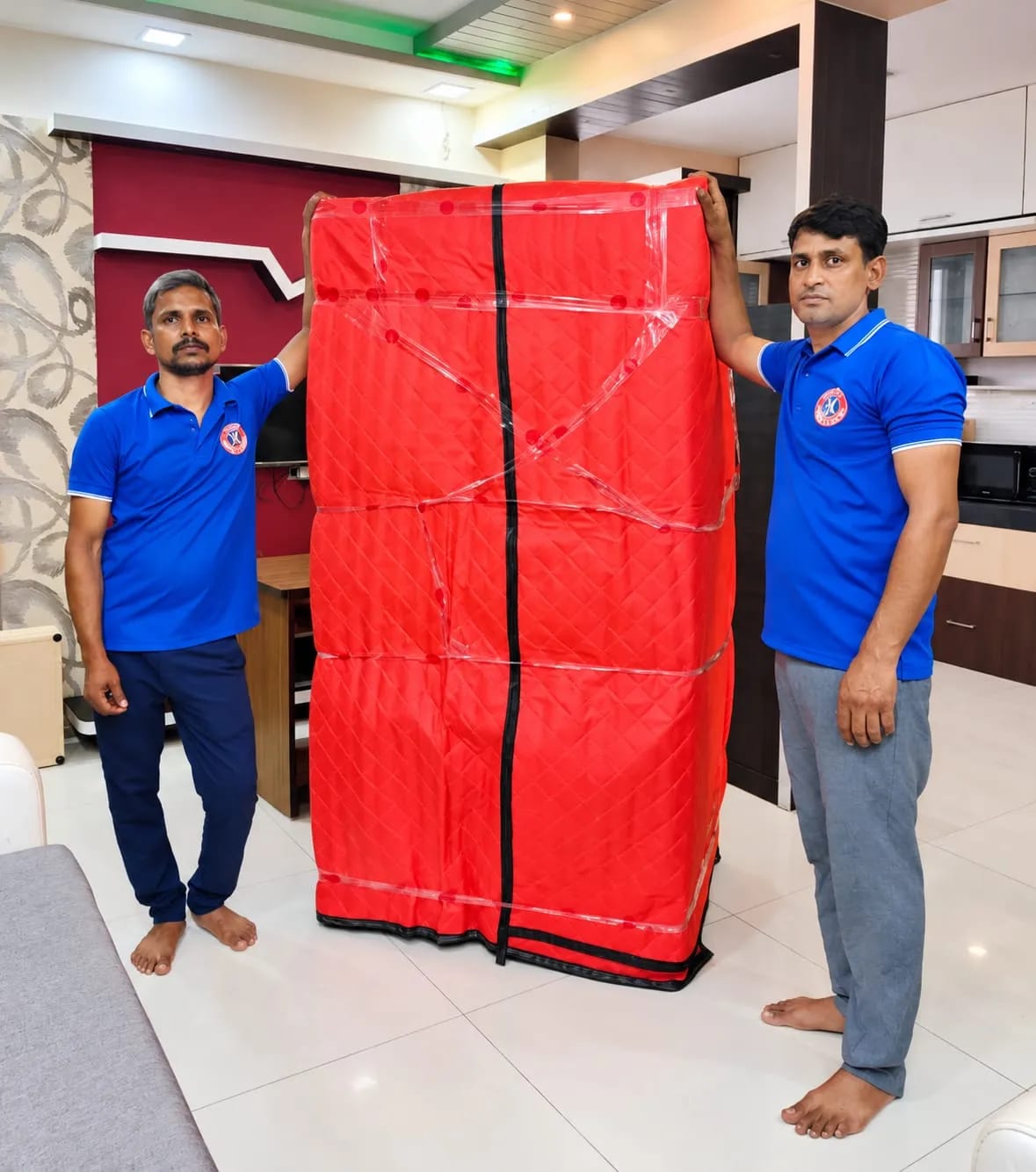
A trained packer wraps crockery piece by piece and stands plates on edge, fills every gap so nothing shifts inside the carton, and marks it fragile with the right side up. Mirrors and glass get corner guards and a stiff backing. Wardrobes, sofas and dining tables get a padded layer with a corrugated sheet over it. Our packing and unpacking service uses foam, bubble wrap and a carton size that suits each item.
Overloading crushes the bottom of the stack
When a mover sends a vehicle smaller than the load needs, to save on truck hire, the crew stacks higher and presses harder to fit everything in. Cartons at the bottom carry the weight of everything above them and fold. Upholstery gets pressed out of shape, and appliance doors take knocks.
The fix is picking the vehicle after seeing the goods. We decide the truck size once we have looked through your home, on a visit or by video. A shared truck is a fair, cheaper choice as long as the space booked matches your volume. The trouble comes from booking too little space, whatever the truck.
Loose loading lets furniture shift on the road
A loaded truck brakes, climbs ghats and drops into potholes, and anything that can slide will slide. Loose loading, with gaps around the furniture and no ropes, is how a table leg goes through a carton or a fridge ends up on its side.
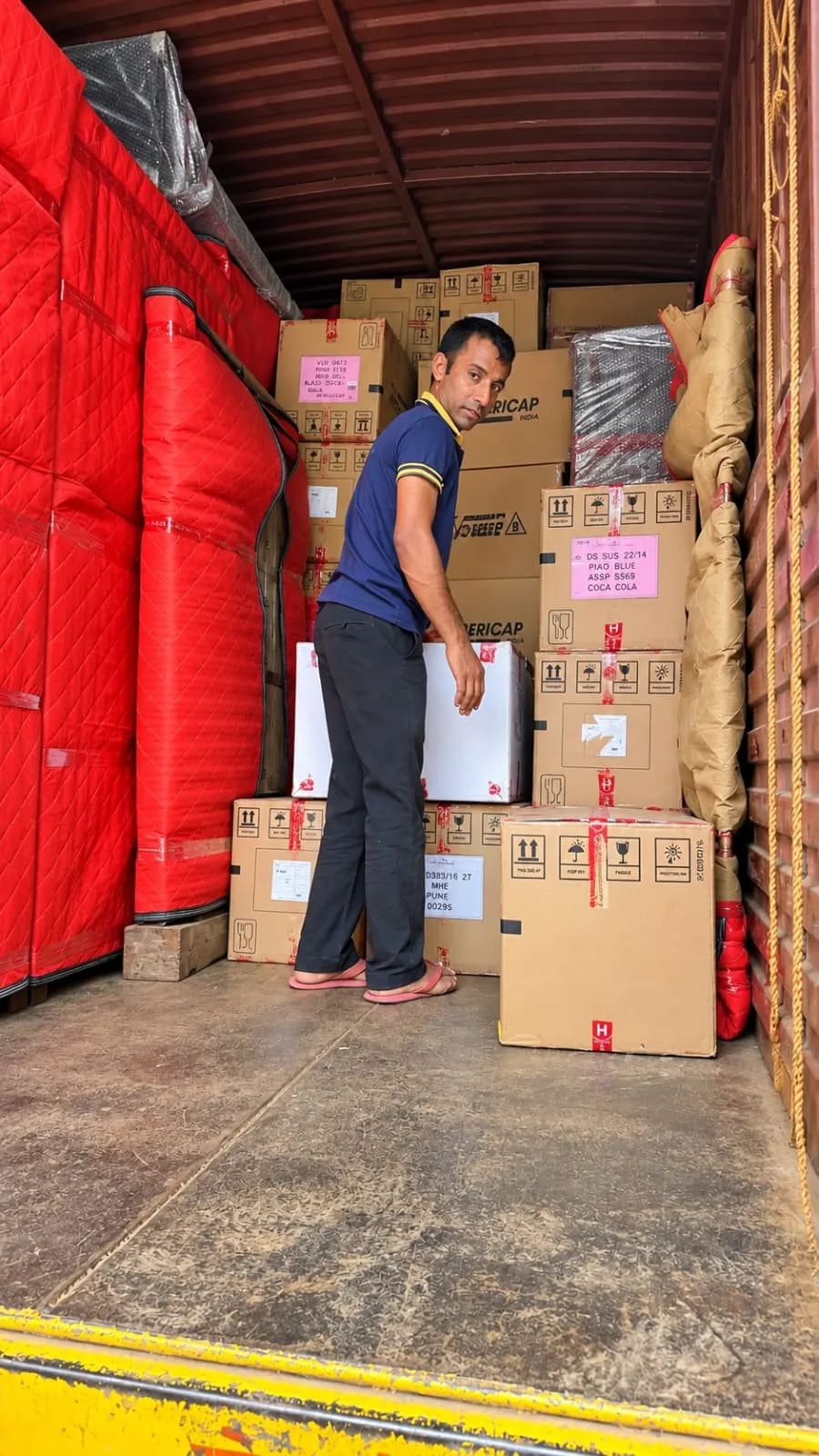
Good loading follows an order. Heavy, flat pieces go against the front wall, appliances travel upright and strapped, cartons go in tight rows, and mattresses fill the gaps. The crew ties off each section as the truck fills. Loading and unloading is a skilled job of its own, and it is fair to ask to see the loaded truck before the doors close.
Rain soaks cartons and swells wood
Cardboard absorbs water fast. A carton left on wet ground, or carried across an open car park in a shower, loses its strength, and wooden furniture that stays damp can swell and stain. In the monsoon, a load without a waterproof sheet over it is at risk even on a short trip.
The prevention is a plastic layer under the normal packing, a tarpaulin over the load, and loading from a covered spot where there is one. Our note on moving in the rainy season goes through monsoon moves in more detail.
Stairs and narrow landings are where handling goes wrong
The riskiest minutes of a move are often on the staircase. A fridge carried down four floors, a wardrobe turned on a tight landing, a sofa lifted over a railing: these are the moments when items get dropped and walls get scraped.
A trained crew measures before it lifts, takes off doors and legs where that helps, puts enough people on each heavy piece and keeps appliances upright. Large wardrobes and beds that will not pass a doorway should be taken apart, and furniture dismantling and reassembly covers that work. Book the service lift at both buildings in advance, so nothing that belongs in a lift has to go down the stairs.
What you should do yourself
A mover can only protect what it is given in good order. These jobs are yours, and our moving tips page has more of them.
Carry cash, jewellery, documents, passports and daily medicines yourself, and keep them out of the cartons altogether.
Back up laptops and phones, and keep their chargers in your own bag.
Empty, defrost and wipe dry the fridge a day before, and drain the washing machine.
Photograph furniture and electronics before packing, so their condition is on record.
Sell, donate or throw away anything you have stopped using. Fewer items means fewer chances of damage, and possibly a smaller truck.
Be there at loading and at delivery, and check the carton numbers against the inventory yourself.
When insurance matters
Good packing lowers the risk of breakage. It does nothing about a road accident, a fire or a flooded highway, and those are the events transit insurance is for. It is optional, and the premium is based on the value you declare.
Cover is worth more on a long-distance move, where goods spend days on the road, and when you are moving expensive items such as a large television, a piano or new furniture. On a short local move with modest furniture, some people decide to carry the risk themselves. Whichever you choose, decide before packing, because cover has to begin before the goods leave.
Policies commonly exclude damage that was there before the move and damage caused by the owner's own packing, so the notes on your inventory matter. The goods insurance page explains what a typical policy includes and leaves out.